
scholarium has brought together the theory and practice of the Austrian school for twenty years.
 scholarium has brought together the theory and practice of the Austrian school for twenty years.
The scholarium preserves a Western heritage: the union of entrepreneurial value creation with high culture. Economic independence gives intellectual work its freedom. Education and culture sharpen our judgement of what is worth creating and passing on.
The Austrian school is Vienna's concentration of this older European experience. From Salamanca through the Scottish Enlightenment to Vienna, entrepreneurial practice found theoretical form. Economics, psychology, law, money and culture belong together in this understanding: decisions have consequences, knowledge is dispersed, and responsibility cannot be wished away.
Theory worth anything matures through real decisions. We test it in our own companies, our own wealth, publishing and the building of enduring places. Our work grows from this practice: monthly and free in the Scholien, deepened in the salon, bespoke in the kontor for works meant to last across generations.
Culture from entrepreneurial strength.
This house carries the Austrian school forward where it began: in the conversation between scholars and entrepreneurs. Its last Austrian representative in direct tradition teaches here as an entrepreneur; its judgement on money carries its own wealth at risk. The house collects, publishes and endows. Entrepreneurial value creation gives this work independence and continuity.
Engagement with great works develops judgement and taste. It broadens our view beyond immediate usefulness and asks more of what we create ourselves. Enterprise, in turn, gives cultural work the means to endure. Our points of reference are the kontors of the Hanse, the city republics of northern Italy, Dutch trading houses, Scottish academies and Viennese salons.
For twenty years, the house has supported itself through entrepreneurial success, its own investments and the contributions of its participants, without a single subsidy. Its seat is in Zug, at the centre of alpine entrepreneurship, where old Europe's small scale, decentralisation and diversity remain tangible. It works in Vienna, Istria and Madeira; in Scotland, it is taking on responsibility for a school rich in tradition. Win-Win traces the history of exchange; in the salon and the kontor, the work of carrying this heritage forward continues.
The shared salon.
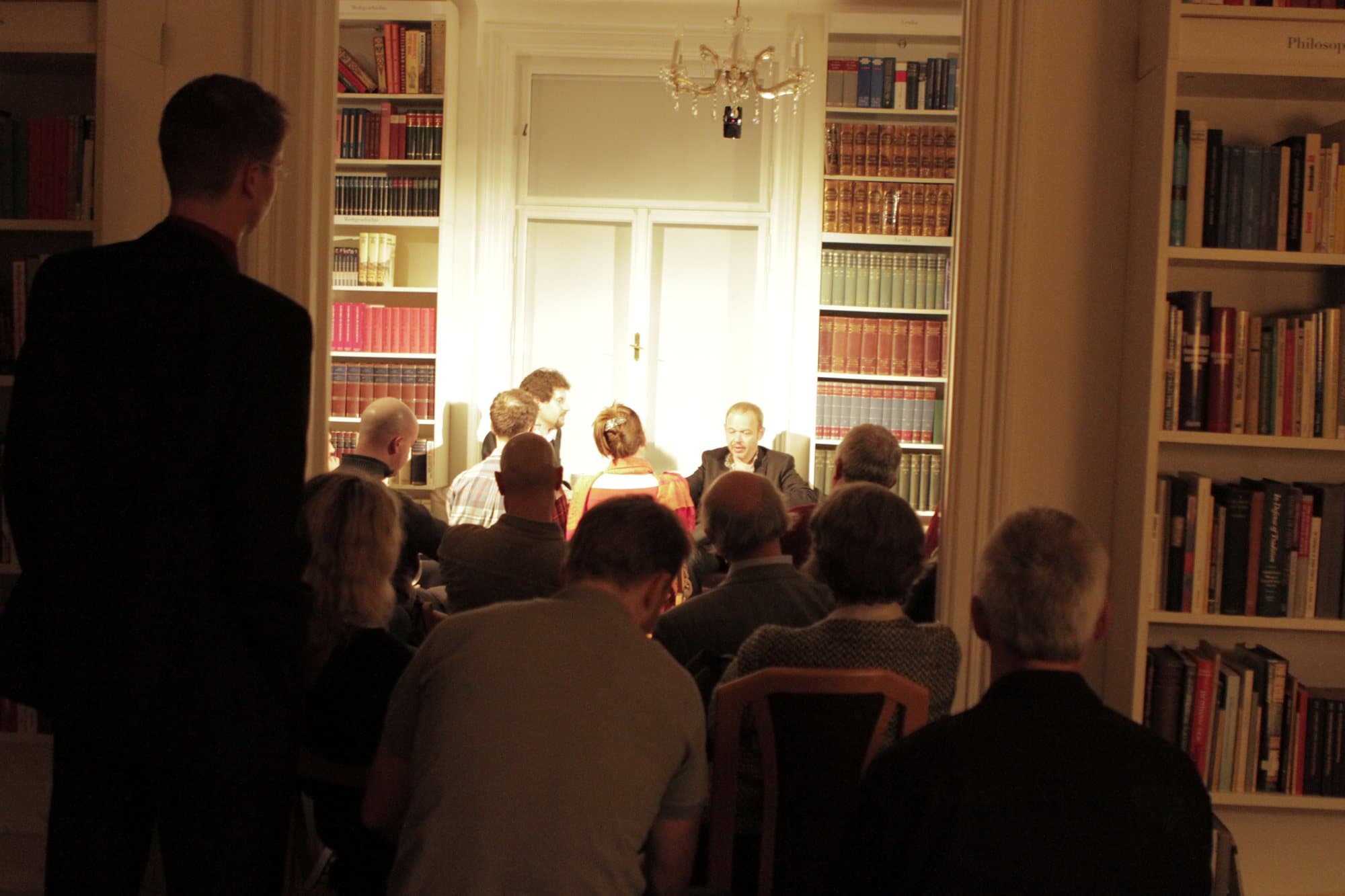
The salon is the only place where we carry forward the Austrian school through sustained study together. In its original Viennese form, economics, history, philosophy and entrepreneurial experience belong together. Only through this connection does theory become a useful school of judgement.
For people who want to judge and act on this understanding, the salon is a better path than an academic degree programme. We read original texts, examine arguments and test them against our own decisions about money, business and how to live. Conversation in a small, trusted circle turns acquired knowledge into sound judgement.
The seminars of the Studium Generale take place primarily live online. Physical gatherings and shared journeys complement them. The salon is limited to 144 seats. Inscription is made once, is not renewed, and more seats will never be granted.
144 seats · CHF 1,440 once
144 seats · CHF 1,440 once
Thought becomes enterprise.
A kontor was a node: residence, warehouse, legal space and connection to a network larger than the place in which it stood.
From the educational work, enterprises have grown: seminars and editions, archives and a library, companies and places the house runs and answers for itself. scholarium is a learning kontor in this sense. Its work falls into four fields: preserving money, deploying capital entrepreneurially, shaping places, passing on culture.
For founders and owner families, the question becomes concrete: what should outlast one's own work, and who will carry it forward? scholarium takes responsibility for a handover, a succession or the creation of a lasting work through a mandate with an agreed result.

Teacher and entrepreneur in one person.
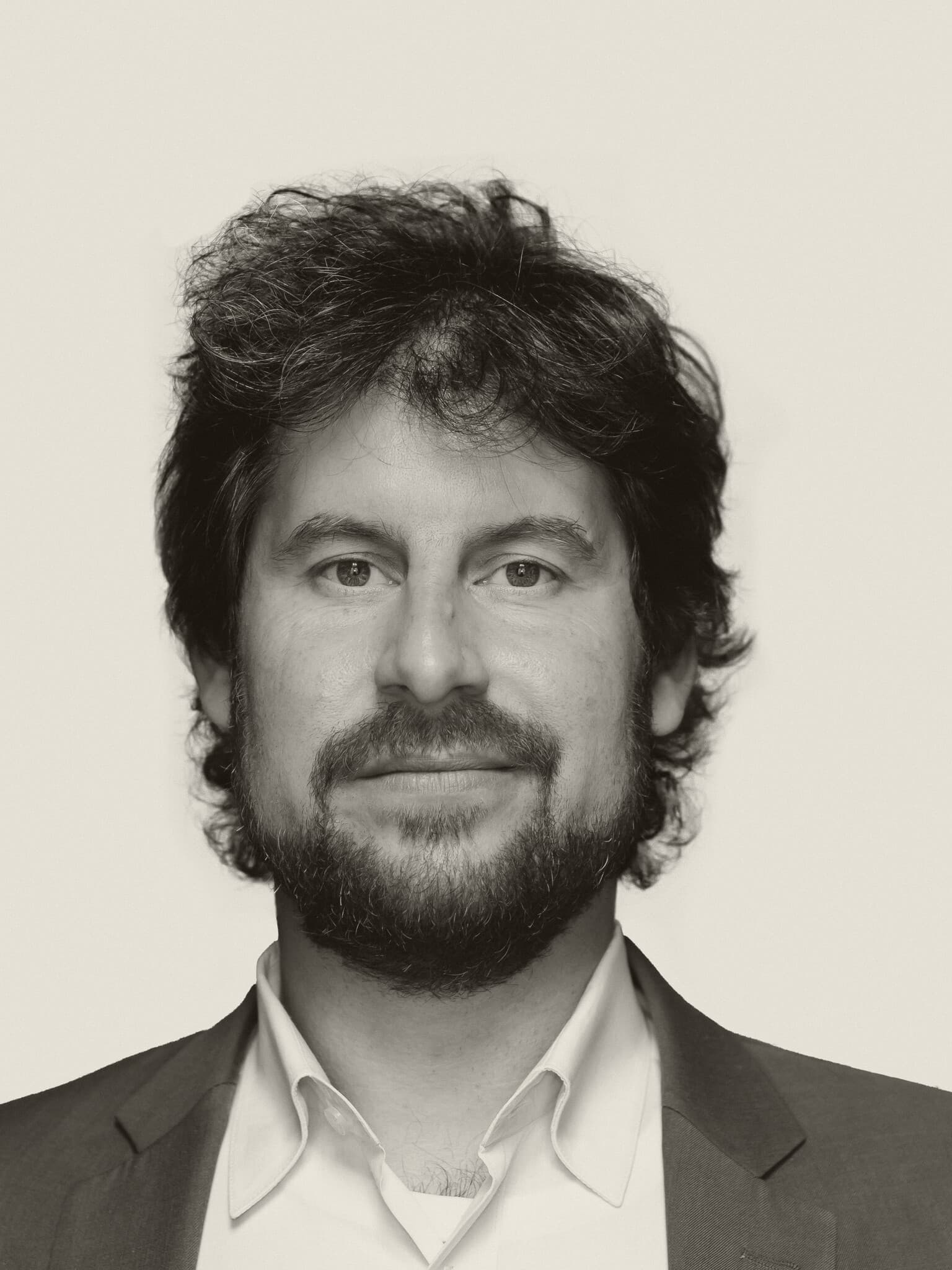
Rahim Taghizadegan is an Austrian economist, physicist, author and entrepreneur based in Zug. He has taught the Austrian school at universities in Austria, Germany, Switzerland and Liechtenstein and has worked on Bitcoin in teaching and practice since 2011.
What is unusual is the alignment of teaching and practice: he teaches entrepreneurship as an entrepreneur, allocates his own capital and helps build the companies and places about which others merely speak.
Full profile →